.svg)



As conversations around vaping continue to evolve nationally, it remains critical that responses are informed not only by data and evidence, but by the lived realities of Aboriginal and Torres Strait Islander communities. Sustainable health outcomes are always strongest when communities themselves lead the direction and design of solutions.
One of the highlights of the past two months was attending the Jurisdictional Workshop in Boorloo. It was a genuine pleasure to connect with so many dedicated workers, leaders and organisations from across the network. What always stands out to me at these gatherings is the strength of relationships within the sector. Watching teams connect, share ideas, support one another and build collective momentum reminds me why this work matters so deeply. There is enormous value in creating spaces where people feel supported, heard and inspired by one another’s experiences.
I also want to remind everyone across the network that our Program Officers are there to support you. Their role extends far beyond administration or reporting processes. They are there to assist teams in navigating challenges, strengthening ideas, connecting services and ensuring organisations feel supported in delivering impactful and culturally safe work within their communities. Please continue to reach out to them whenever guidance or support is needed.
Beyond the TIS space, I have remained engaged in broader national conversations connected to Closing the Gap and Aboriginal and Torres Strait Islander health equity. It has been humbling to see ongoing references to the 2005 Social Justice Report continue to inform advocacy discussions in 2026. While much progress has been made over the past two decades, these conversations remind us there is still important work ahead in addressing structural inequities and ensuring our people have equitable access to health, education and opportunity.
In April, I participated in a national First Nations education policy roundtable focused on culturally safe learning environments and Indigenous data sovereignty. These discussions are critically important. The way institutions collect, interpret and apply data relating to our peoples must be guided by principles of respect, self-determination and cultural authority. It is also very important that we provide feedback to communities we work with on how their data is used and if there are changes that can relate back to the information and data they have provided. This includes feedback you receive about how others view their videos or other merch. Around the same time, I also had the privilege of speaking at a graduation ceremony for the University of Canberra. Spending time with graduates and witnessing the next generation step into leadership, research and professional practice always leaves me feeling hopeful for the future. You might want to read the short 10 minute speech here.
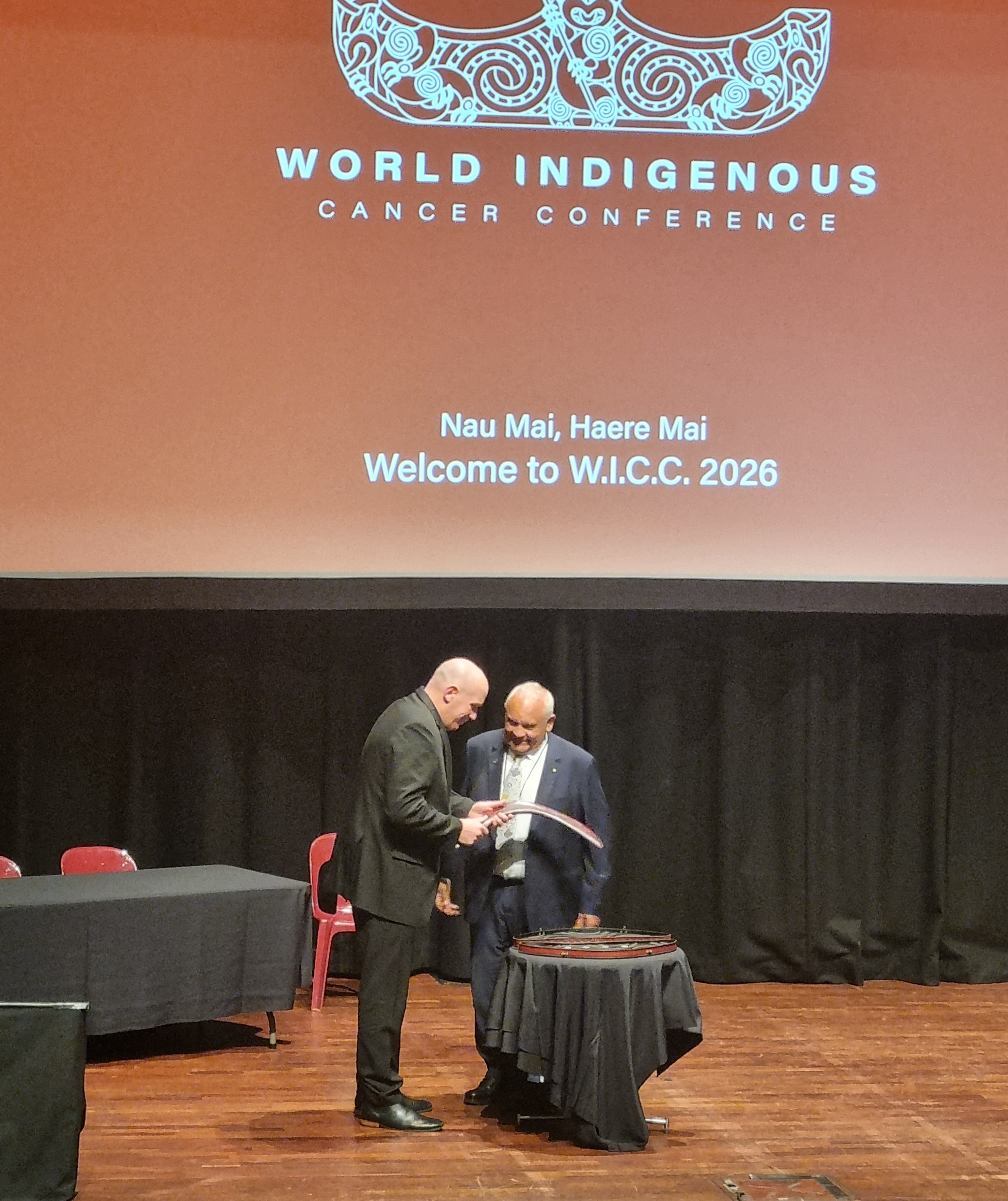
April also brought opportunities for international engagement. I was honoured to attend and speak at the World Indigenous Cancer Conference in Auckland, where Indigenous and non Indigenous leaders, researchers and health professionals gathered to share knowledge and strengthen global conversations around Indigenous health equity and cancer care. These spaces reinforce the power of Indigenous-led collaboration across nations. I had a formal role of passing on the official boomerang to the Māori hosts for 2026 as I did in 2019 when Canada hosted the WICC. My opening plenary speech focused on TIS and the reduction in cancer mortality from the cessation and non take-up gains we have achieved by working with, listening to and empowering the community to be active rather than passive recipients of government initiatives. There were at least three bouts of spontaneous applause as I delivered the speech.
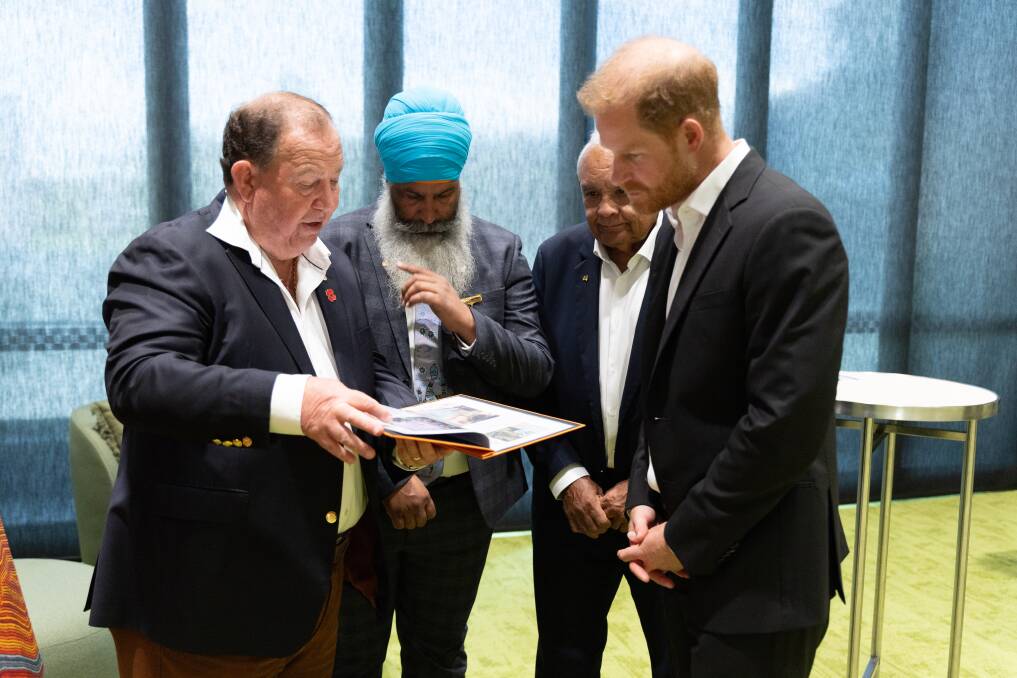
During recent engagements in Australia, I also had the opportunity to briefly meet Prince Harry, Duke of Sussex during his and Meghan, Duchess of Sussex’s visit to Naarm. It was at a Lifeline event and as an advocate for social and emotional wellbeing, mental health, suicide prevention and the role of Aboriginal and Torres Strait Islander military service people I was invited to present a painting to Prince Harry. Conversations that elevate Indigenous voices and community wellbeing onto international platforms remain important opportunities for awareness and advocacy.
Finally, I want to give a very heartfelt acknowledgement to the incredible team at Positive Choices for their powerful Voices of Resistance campaign. The NRPP funded campaign is a moving example of storytelling, truth-telling and culturally informed prevention messaging delivered with strength and integrity. We launched Voices of Resistance for Youth Week, on 21 April, and it’s had a strong early response. It’s really cutting through, especially with young people on vaping and tobacco.
Early signs have been solid; strong reception at the World Indigenous Cancer Conference (WICC), over 1,300 streams, 17.5k+ views on the main Instagram video, and over 80k total views across Warraay Puthu content so far across more than 20k unique accounts in the first week. A big shout out to Raglan and his team for managing this important initiative and we will keep you informed as the program evolves.
It’s an amazing Aboriginal and Torres Strait Islander youth-led piece calling out tobacco and nicotine industry generated harms, grounded in culture and truth-telling, and we’re starting to see it land in a different way to more traditional approaches. Stream here.
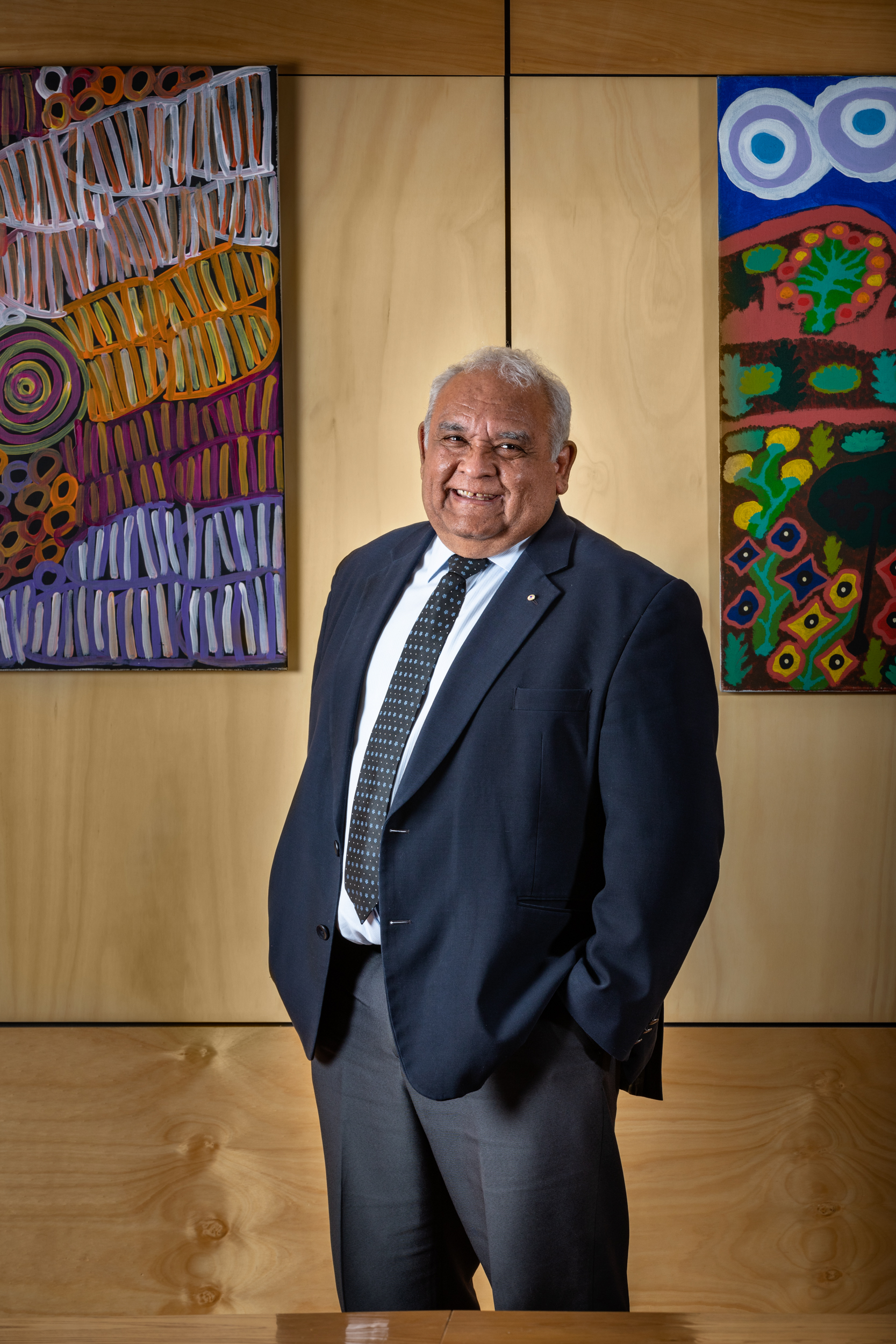
Professor Tom Calma AO
National Coordinator, Tackling Indigenous Smoking