.svg)

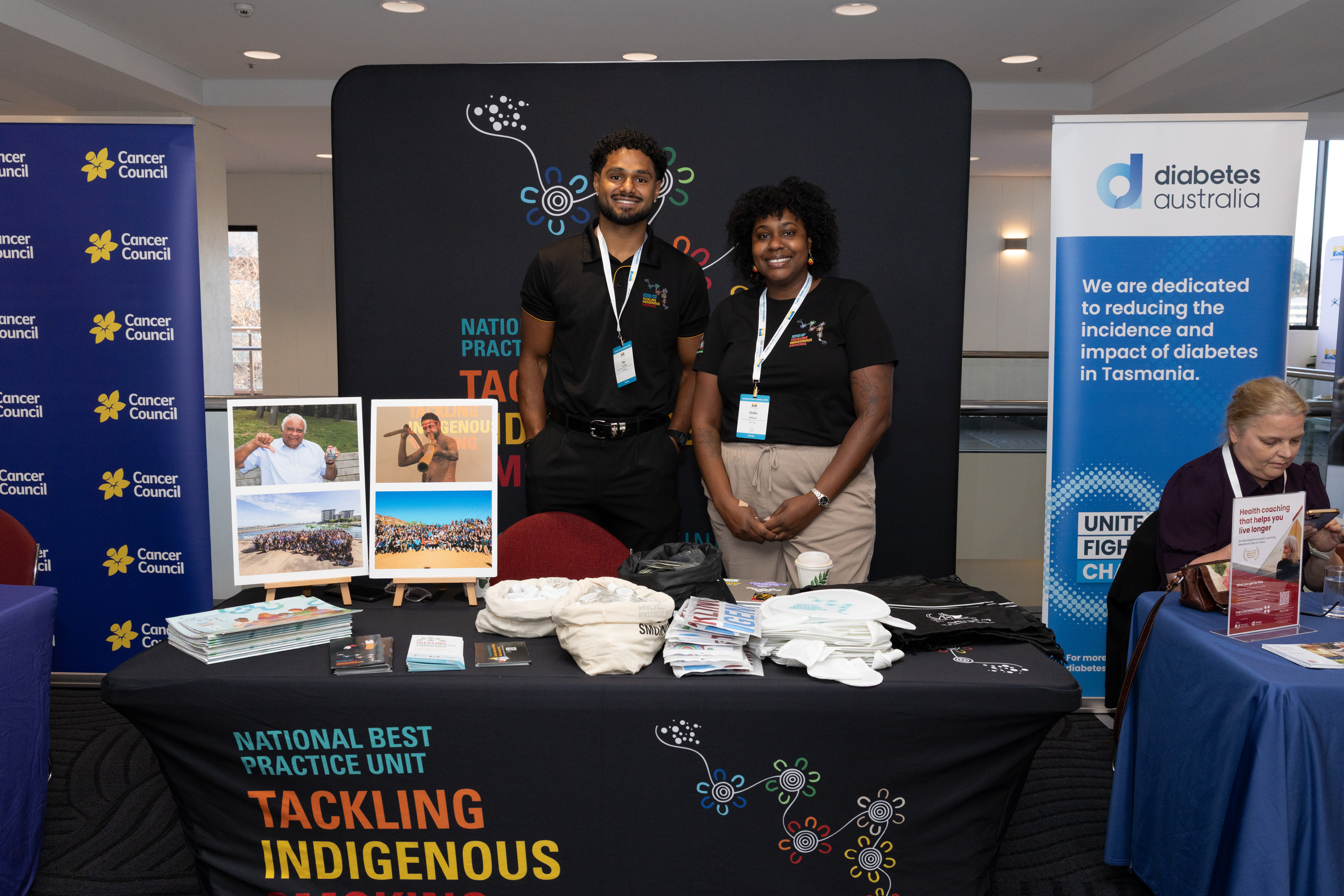


On 5 May, I had the opportunity to attend the Preventive Health Conference held on the lands of the Muwinina peoples of Nipaluna Country (Hobart), alongside my colleague Oniké Williams and our consortium partners from the Health Research Institute. Bringing together hundreds of public health professionals, researchers, students and organisations from across Australia and the Pacific, the conference provided an important space to share ideas, strengthen connections and reflect on the future of preventive health.
Representing the National Best Practice Unit Tackling Indigenous Smoking (NBPU TIS), Oniké and I presented on the work we are doing nationally to support TIS grant recipients. We spoke about the importance of translating research into evidence-based practice and how this helps us better tailor our support to communities, ensuring our work remains responsive, relevant and grounded in local needs.
Across the conference, it was encouraging to see prevention remain at the centre of so many conversations. This year’s theme, Sustaining Prevention, shaped many of the sessions, particularly around tobacco control and vaping reduction. Discussions around emerging nicotine products, prevention strategies and long-term approaches to reducing harm reinforced the importance of the work happening across the TIS network.
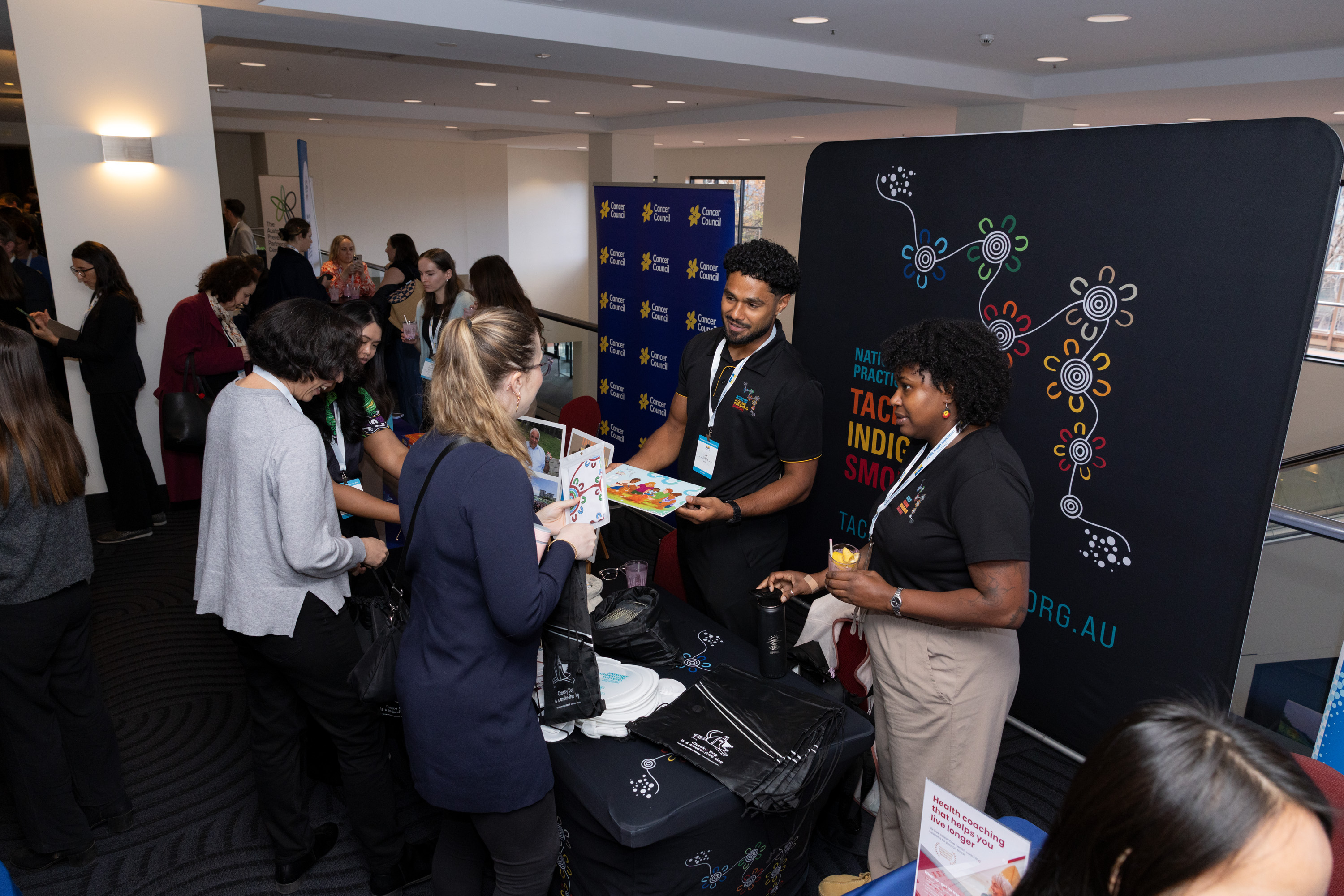
One of the highlights for me was connecting with a broad range of public health professionals through networking opportunities and at the NBPU conference stall. These conversations provided a chance to share more about the TIS program, hear what others are doing across the sector, and strengthen relationships with organisations equally committed to improving health outcomes.
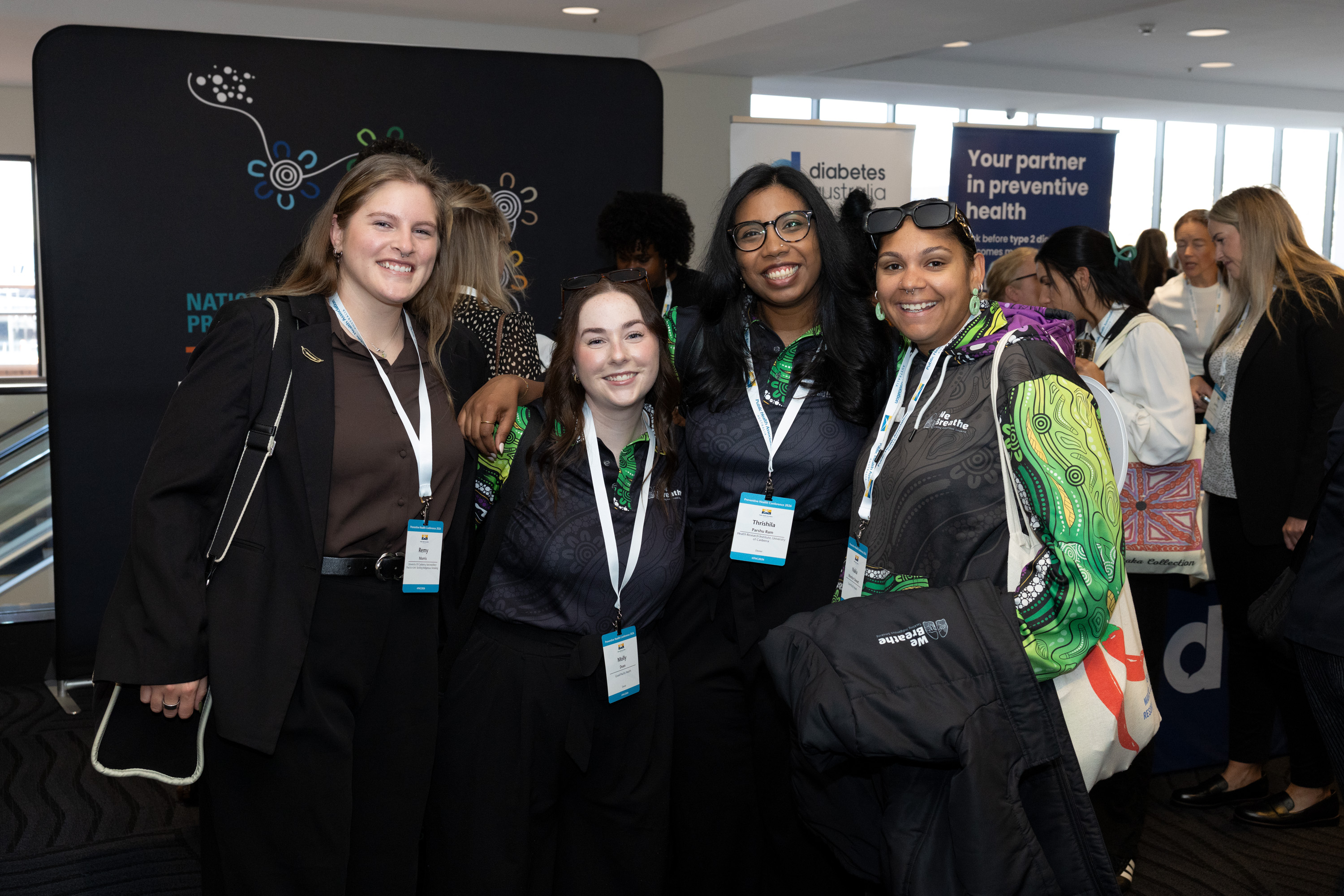
It was also great to see fellow TIS teams presenting, including We Breathe and the Yardhura Walani team, showcasing the strong work happening across the country. A standout keynote for me was delivered by Professor Ray Lovett, who spoke powerfully about the ongoing impacts of racism experienced by Aboriginal and Torres Strait Islander peoples within the health system. His presentation was an important reminder that public health organisations have a responsibility to address racism at structural, systemic and interpersonal levels if we are serious about improving health equity.
As part of the conference, I also attended Workshop 5: Scaling Trust, delivered by the Australian Multicultural Health Collaborative. The session explored ways health organisations can better engage with culturally and linguistically diverse communities and reduce barriers to participation in preventive health initiatives.
A key takeaway for me was the importance of working alongside trusted community champions and ensuring programs are co-designed with communities, rather than developed independently. The discussions around building trust, listening first and removing barriers strongly reflected approaches we already recognise as critical when working with First Nations communities.
The workshop reinforced something I believe is essential in this work: culturally safe, community-led approaches are key to building trust and improving participation in health programs. Whether we are working with Aboriginal and Torres Strait Islander communities or other priority populations, genuine engagement and strong relationships remain at the heart of meaningful prevention.
Tim Tuikaba
NBPU TIS Program Officer NT